
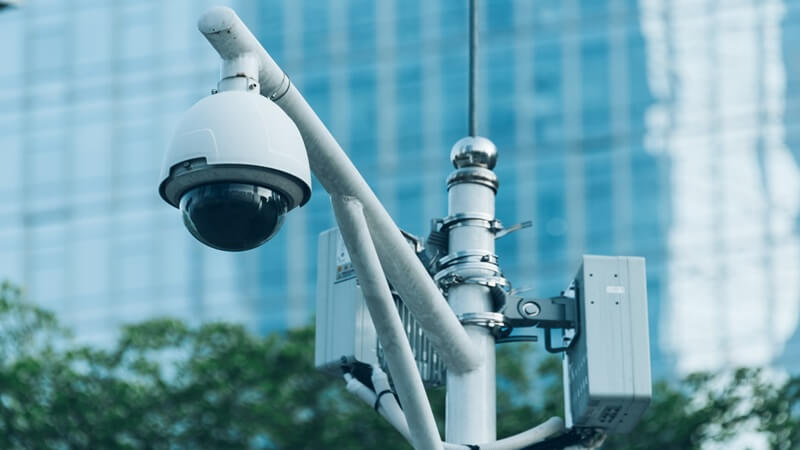
When it comes to protecting sensitive sites, the technology you choose matters. That’s where NDAA compliant security cameras come into play. These aren’t just any cameras; they meet specific government requirements, mainly related to the National Defense Authorization Act (NDAA). This act restricts the use of certain telecommunications equipment and video surveillance equipment from specific manufacturers deemed to pose a security risk. Using NDAA compliant security cameras means you’re choosing equipment that has been vetted and is considered safe for use in sensitive environments, especially those involving government contracts or high-security needs.
The Importance of NDAA Compliance
Why all the fuss about NDAA compliance? Well, it boils down to national security and data privacy. The government is serious about preventing foreign adversaries from accessing sensitive information or creating backdoors into critical systems through compromised technology. By mandating the use of NDAA compliant security cameras, agencies and businesses working with them are ensuring that the surveillance equipment they deploy doesn’t introduce vulnerabilities. It’s a way to build trust and maintain the integrity of security systems.
Key Features of NDAA Compliant Cameras
So, what makes a camera NDAA compliant? It’s less about flashy features and more about the origin and security of the components. These cameras are typically manufactured by companies that are not on the prohibited list established by the NDAA. They often come with:
- Secure Firmware: Regular updates and secure coding practices to prevent unauthorized access.
- Data Encryption: Protecting the video feeds and stored data from being intercepted.
- No Backdoors: Assurance that the manufacturer hasn’t built in hidden ways to access the camera’s data or controls.
- Supply Chain Transparency: Knowing where the components come from and that they meet security standards.
Benefits for Sensitive Site Protection
Using NDAA compliant security cameras offers several advantages, especially for sensitive locations like government facilities, research labs, or high-value corporate offices. First and foremost, it ensures you meet regulatory requirements, avoiding potential fines or disqualification from contracts. Beyond compliance, it provides a higher level of assurance that your surveillance system isn’t a weak link. You get reliable video evidence, proactive threat detection capabilities, and the peace of mind that comes from using technology that aligns with national security standards. It’s about building a robust security posture from the ground up with trusted components.
Leveraging Remote Monitoring for Enhanced Security
Proactive Threat Detection with AI
Forget about security systems that just record what happened after the fact. Remote monitoring uses smart cameras and AI to actually spot trouble before it gets out of hand. These systems can tell the difference between a squirrel running across the lawn and someone trying to break into a building. This means your security team can focus on real threats, not false alarms. It’s like having a vigilant guard who never sleeps, always watching for anything out of the ordinary.
Here’s how it works:
- Intelligent Analytics: AI software analyzes video feeds, looking for suspicious patterns like loitering, unauthorized entry, or unusual vehicle movements.
- Real-Time Alerts: When the system detects something it flags as a potential issue, it immediately sends an alert to the monitoring center.
- Human Verification: Trained professionals then review the live feed to confirm if the alert is a genuine threat.
This proactive approach shifts security from simply documenting incidents to actively preventing them, saving time, resources, and potential losses.
Live Intervention and Deterrence
Once a threat is confirmed, remote monitoring isn’t just about watching; it’s about acting. Systems often include two-way audio capabilities. This means a remote operator can speak directly to an intruder through a speaker on-site, warning them that they’ve been seen and that authorities will be notified if they don’t leave. This immediate, verbal intervention is often enough to scare off potential criminals before they can cause damage or steal anything. It’s a powerful way to deter unwanted activity without needing someone physically present at all times.
24/7 Surveillance for Continuous Protection
Sensitive sites need protection around the clock, not just during business hours. Remote monitoring provides continuous surveillance, covering all times of day and night, including weekends and holidays. Whether it’s a quiet industrial park after dark, a busy construction site on a Sunday, or critical facilities like hospitals relying on advanced hospital security systems, trained operators are watching. This constant vigilance means that any suspicious activity, from trespassing to equipment tampering, is detected and addressed immediately, offering peace of mind and a consistent level of security that static camera systems alone can’t provide.
Securing Critical Infrastructure with Advanced Surveillance
Addressing Unique Challenges of Critical Sites
Critical infrastructure, like power grids, water treatment plants, and transportation hubs, forms the backbone of our society. These sites are complex and often spread out, making them targets for disruption, theft, or even sabotage. Traditional security systems often fall short because they only record events after they’ve happened. We’re talking about places with large perimeters, sensitive equipment, and restricted access points. These aren’t your average office buildings; they require a more robust and proactive approach to security.
AI-Enabled Threat Detection for Infrastructure
This is where advanced technology really shines. Instead of just watching video feeds, AI-powered systems can analyze footage in real-time. Think of it like having a security guard who never sleeps and can spot unusual activity across vast areas instantly. These systems can identify things like unauthorized vehicles approaching restricted zones, people loitering near sensitive equipment, or even unusual movement patterns that might indicate a problem. Alpha Video Surveillance uses these smart analytics to flag potential threats before they escalate.
Rapid Response and Incident Documentation
When a potential threat is detected, the system doesn’t just send an alert. Trained professionals at a remote monitoring center can verify the situation. They can then take immediate action, such as broadcasting a voice warning through on-site speakers to deter intruders. If the situation warrants it, they can also alert on-site security personnel or even contact local law enforcement. Plus, every verified event is meticulously documented with timestamps and video evidence. This is super important for investigations, compliance checks, and understanding what happened.
Here’s a quick look at what makes this approach effective:
- Real-time Visibility: Continuous monitoring of all critical areas.
- Proactive Deterrence: AI identifies threats, and live operators can intervene.
- Reduced False Alarms: Intelligent filtering means fewer unnecessary notifications.
- Actionable Evidence: Timestamped video for reporting and analysis.
Protecting critical infrastructure isn’t just about preventing crime; it’s about maintaining public safety and operational continuity. Advanced surveillance systems provide the vigilance needed to safeguard these vital assets.
Protecting Construction Sites with Smart Video Solutions
Addressing Construction Site Vulnerabilities
Construction sites are basically open houses for trouble. Think about it: expensive tools, piles of materials, and half-finished structures just sitting there, often overnight. This makes them prime targets for theft, vandalism, and people wandering where they shouldn’t be. It’s not just about losing stuff; it can also lead to accidents and delays that cost a ton of money. Relying on just a few cameras that record things after they happen isn’t really cutting it anymore. You need something that actively watches and can do something about problems as they pop up.
How Construction Video Security Works
Smart video solutions for construction sites go way beyond just recording footage. They’re about active monitoring and intervention. Here’s the breakdown:
- Constant HD Monitoring: Cameras are placed strategically around the site – think entry points, equipment storage areas, and along the fences. These cameras stream video live to a monitoring center.
- AI-Powered Threat Detection: Smart software looks at the video feeds. It can spot unusual activity, like someone entering a restricted zone after hours or lingering too long near valuable equipment. This helps cut down on false alarms and focuses on real issues.
- Live Intervention: When the AI flags something suspicious, trained operators jump in. They can use two-way audio to issue warnings, telling intruders to leave. This immediate action is often enough to stop trouble before it starts.
- Documentation: Every event, big or small, is recorded with timestamps and video clips. This is super useful for insurance claims, police reports, or just understanding what happened.
Deterring Theft and Vandalism on Site
One of the biggest headaches on construction sites is theft and vandalism. Tools, copper wiring, lumber – it all adds up. Smart video surveillance acts as a serious deterrent. When potential thieves know the site is being actively watched and that someone can speak to them directly through speakers, they’re much less likely to try anything. It’s like having a virtual security guard who’s always alert. Plus, the recorded evidence helps law enforcement identify suspects and recover stolen goods, which can save projects a lot of money and keep them on schedule.
The combination of high-definition cameras, intelligent analytics, and live human oversight creates a powerful security net. This proactive approach means problems are addressed in real-time, not just reviewed later, significantly reducing losses and improving overall site safety.
The Advantages of Remote Guarding Services
When you think about security, you might picture guards walking around a property. That’s one way to do it, but there are other options that can be more effective and easier on the wallet. Remote guarding is one of those options. It uses technology, like high-definition cameras and smart software, to keep an eye on things from a distance. This means you get constant watch without needing a lot of people on-site.
On-Site Guard vs. Remote Guard Effectiveness
On-site guards are visible, which can be a deterrent. However, they can only be in one place at a time. They might miss things happening on the other side of a large property or when they’re on a break. Remote guards, on the other hand, can monitor many cameras at once. They use AI to flag suspicious activity, so they’re always looking for potential problems. This constant, multi-angle vigilance often provides better coverage than a single guard. Think of it like having many eyes on your property, all working together.
Here’s a quick look at how they stack up:
| Feature | On-Site Guard | Remote Guard |
| Coverage | Limited to physical presence | Monitors multiple cameras simultaneously |
| Alertness | Can get tired or distracted | AI-assisted, consistently vigilant |
| Response | Immediate if on-site, delayed if not | Immediate detection and intervention possible |
| Scalability | Difficult and expensive to scale | Easily scalable to cover more areas |
| Cost | Higher operational costs | Generally more cost-effective |
Cost-Efficiency and Scalability
Let’s talk about the money side of things. Hiring and managing on-site security personnel can get expensive fast. You’ve got salaries, benefits, training, and the need for multiple guards to cover different shifts and areas. Remote guarding cuts down on a lot of those costs. You’re paying for advanced technology and skilled professionals monitoring from a central location. This makes it a much more budget-friendly choice, especially for businesses that need round-the-clock protection or have multiple locations. Plus, if your needs change, like expanding a site or needing more coverage during a busy season, remote guarding can scale up or down easily without the hassle of hiring and firing staff.
Comprehensive Coverage Across Industries
Remote guarding isn’t just for one type of business. It’s a flexible solution that works for a lot of different places. Whether you’re running a construction site with valuable equipment, a retail store that needs to prevent shoplifting after hours, a warehouse storing inventory, or even a critical infrastructure site that needs constant watch, remote guarding can be adapted. It’s about tailoring the camera placement and monitoring strategy to fit the specific risks and layout of your property. This means you get protection that’s designed for your unique situation, not a one-size-fits-all approach.
Remote guarding uses technology to provide continuous surveillance. It’s about having trained professionals watch live feeds, using AI to spot trouble, and then acting fast to stop problems before they get worse. This proactive approach can save you a lot of headaches and money down the line.
Implementing a Robust Security Strategy
Putting together a solid security plan isn’t just about buying the latest cameras. It’s about thinking through how everything works together to actually keep your site safe. You need to figure out where cameras should go, who’s watching the feeds, and what happens when something looks off. It’s a whole system, not just a piece of tech.
Strategic Camera Placement and Coverage
Getting the cameras in the right spots is super important. You don’t want blind spots where someone could sneak around. Think about the main entry and exit points, any areas where valuable stuff is stored, and the perimeter. Also, consider how the cameras will see – you need good angles and enough light, especially at night. It’s about covering the most important areas effectively.
- Entry and Exit Points: Monitor all ways people and vehicles come and go.
- Perimeter: Keep an eye on the boundary of your property to catch anyone trying to get in or out unnoticed.
- High-Value Areas: Focus on places where equipment, materials, or sensitive information are kept.
- Blind Spots: Identify and cover any areas that are hard to see from other camera angles.
The Role of Trained Monitoring Professionals
Cameras alone don’t do much good if no one’s watching. That’s where trained professionals come in. They’re the ones who can spot something unusual happening in real-time, not just after the fact. They know what to look for, how to tell if it’s a real problem or just a false alarm, and what steps to take next. These trained eyes are what turn a camera system into an active security solution.
Having people actively watching the feeds makes a huge difference. They can react to events as they unfold, not just review footage later. This proactive approach helps stop problems before they get serious.
Ensuring Compliance and Documentation
Keeping records is a big part of security, especially if you’re dealing with sensitive sites or need to meet certain regulations. A good system will automatically document events, including when they happened and what was seen. This is useful for reviewing security procedures, investigating incidents, or proving you’re following the rules. It’s about having a clear, reliable record of everything that goes on.
Here’s a look at what good documentation provides:
- Timestamped Events: Every significant activity is logged with the exact time and date.
- Video Evidence: Recorded footage of incidents is readily available for review.
- Audit Trails: Records of who accessed systems or made changes can be kept.
- Incident Reports: Detailed summaries of security events can be generated.
Frequently Asked Questions
What does NDAA compliant mean for security cameras?
NDAA compliant means the security cameras are made by companies that don’t have ties to certain foreign governments, like China. This is important for protecting sensitive information and preventing security risks, especially for government buildings or important facilities.
How do NDAA compliant cameras help protect sensitive sites?
These cameras are built with security in mind, making them less likely to have backdoors or vulnerabilities that could be exploited. This helps keep sensitive data safe and ensures that surveillance systems are reliable for protecting important locations.
What is remote monitoring, and how does it work?
Remote monitoring means security experts watch your cameras from a different location. They use smart technology and AI to spot unusual activity. If they see a problem, they can talk through speakers to scare off intruders or call for help, all without being on-site.
Can remote monitoring really stop theft or vandalism?
Yes, it can be very effective! When people know cameras are being watched live and that someone can speak to them or alert authorities, they are much less likely to try to steal or damage property. It’s like having a security guard watching 24/7, but smarter.
Is remote guarding more cost-effective than hiring on-site guards?
Often, yes. Remote guarding uses technology and a smaller team of experts to watch many locations at once. This can be much cheaper than paying for full-time guards at every site, while still providing excellent protection.
How does AI help in security camera systems?
AI, or artificial intelligence, helps cameras be smarter. It can tell the difference between normal events (like a car driving by) and suspicious behavior (like someone trying to break in). This means the monitoring team gets alerted to real threats faster and doesn’t waste time on false alarms.