
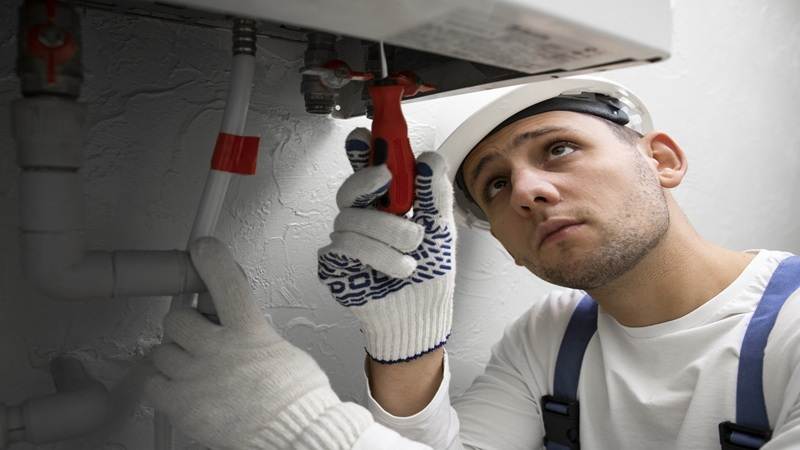
We will explore the critical role that thermostat installation plays in maintaining the efficiency and longevity of your HVAC system. Many homeowners underestimate how a simple device like a thermostat can impact their comfort, energy consumption, and overall system performance. A properly installed thermostat ensures accurate temperature regulation, reducing unnecessary strain on your heating and cooling equipment. Improper installation, on the other hand, can lead to uneven temperatures, higher energy bills, and frequent system repairs. Understanding the importance of proper placement, wiring, and calibration can help homeowners make informed decisions that protect their investment and maintain a comfortable living environment year-round.
The Importance of Proper Thermostat Installation
- Accurate Temperature Control
A properly installed thermostat provides precise temperature readings, allowing your HVAC system to maintain consistent comfort levels throughout your home. When the thermostat is incorrectly positioned, such as near windows, doors, or direct sunlight, it may register inaccurate temperatures. This can cause the system to overheat or overcool certain areas, wasting energy and creating discomfort. Accurate temperature control also helps avoid the constant cycling of your HVAC system, which can increase wear and tear on components like compressors and fans. Working with a reliable HVAC contractor ensures proper installation, allowing homeowners to enjoy balanced temperatures in every room and keeping their living spaces comfortable regardless of the weather outside.
- Energy Efficiency and Cost Savings
Proper thermostat installation directly influences energy efficiency. When a thermostat functions correctly, your HVAC system operates only when necessary, reducing unnecessary energy consumption. Inaccurate readings caused by poor installation can lead to the system running longer than needed or short cycling, both of which increase utility bills. By maintaining optimal efficiency, homeowners can experience significant cost savings over time. Additionally, energy-efficient operation reduces your home’s environmental footprint, contributing to more sustainable energy use. Ensuring your thermostat is installed with attention to location, wiring, and calibration allows your HVAC system to run efficiently while keeping operational costs under control.
- Longevity of HVAC Equipment
An incorrectly installed thermostat can place additional stress on your HVAC system, shortening its lifespan. Systems that frequently turn on and off or run excessively due to improper thermostat readings experience accelerated wear on key components. Over time, this can lead to costly repairs or the premature replacement of parts such as compressors, motors, or coils. Proper installation prevents these issues by providing reliable signals that guide your HVAC system’s operation. Maintaining consistent performance through a correctly installed thermostat ensures that your equipment remains durable and dependable, giving homeowners peace of mind and protecting their long-term investment.
- Enhanced Comfort Throughout the Home
Comfort is one of the primary reasons homeowners invest in heating and cooling systems. A thermostat installed correctly ensures even temperature distribution in every room, avoiding hot or cold spots. Improper installation, such as placing the thermostat near heat sources, drafts, or poorly insulated walls, can lead to uneven temperatures and discomfort for occupants. By selecting an optimal location and ensuring accurate readings, the system can adjust its output to create a balanced, comfortable indoor environment. This consistency allows families to enjoy their homes without constantly adjusting settings or dealing with fluctuating temperatures, enhancing overall satisfaction with their HVAC system.
- Integration with Smart Technology
Modern thermostats often include smart features that let homeowners control their HVAC systems remotely, set schedules, and optimize energy use. Proper installation is critical to ensure these features function correctly. Incorrect wiring or placement can interfere with connectivity, sensor accuracy, and overall performance. Installing a thermostat according to manufacturer guidelines allows homeowners to fully take advantage of smart features, including energy monitoring, automated adjustments, and mobile control. These capabilities not only improve convenience but also empower homeowners to manage their heating and cooling more effectively, aligning with lifestyle preferences and reducing unnecessary energy consumption.
- Prevention of System Malfunctions
An improperly installed thermostat increases the risk of system malfunctions. Inaccurate signals may cause components to operate outside their intended parameters, leading to issues such as frozen coils, overheated compressors, or electrical failures. These problems can result in emergency repairs, system downtime, and additional costs. Correct installation mitigates these risks by ensuring the thermostat communicates accurately with the HVAC system, allowing it to function within safe operational limits. Homeowners who prioritize professional installation or carefully follow DIY installation guidelines reduce the likelihood of unexpected malfunctions and maintain a reliable climate control system year-round.
- Simplified Maintenance and Troubleshooting
Thermostats that are installed correctly simplify ongoing maintenance and troubleshooting. Technicians can quickly assess system performance when the thermostat accurately reflects indoor conditions, enabling faster diagnosis of issues. In contrast, a poorly installed thermostat may obscure the root cause of problems, making repairs more complicated and time-consuming. Proper installation ensures that maintenance tasks, such as calibration checks or battery replacements, can be carried out efficiently. Homeowners benefit from smoother service experiences, fewer interruptions, and longer-lasting HVAC performance, making routine maintenance less stressful and more predictable.
- Safety Considerations
While thermostats are generally low-risk devices, improper installation can create potential safety concerns. Incorrect wiring or placement may cause short circuits or excessive strain on electrical systems, leading to system failures or, in rare cases, fire hazards. Additionally, a thermostat that fails to regulate temperature accurately may result in extreme indoor conditions, which may be unsafe for children, the elderly, or individuals with health concerns. Ensuring that the thermostat is installed according to guidelines protects both the system and the home’s occupants, providing peace of mind that the heating and cooling setup operates safely and reliably.
Proper thermostat installation is an essential component of a well-functioning HVAC system. From accurate temperature control and energy efficiency to extended equipment lifespan and enhanced comfort, the benefits are clear and significant. Incorrect installation can result in uneven temperatures, higher energy bills, frequent repairs, and even safety concerns. By prioritizing correct placement, wiring, and calibration, homeowners can ensure their heating and cooling systems operate smoothly, reliably, and efficiently.