
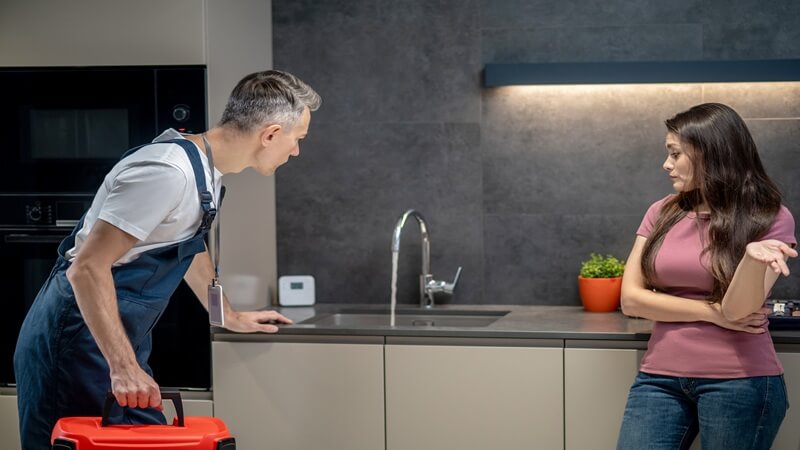
A functional pipe system remains vital for the comfort and safety of any modern household. Small leaks grow into massive disasters if homeowners neglect routine checks or simple repairs. Early detection of pipe wear prevents sudden floods and expensive water damage. This article explores essential steps to maintain a robust system and avoid sudden pipe failures.
Inspect Exposed Pipes for Corrosion and Moisture
Visible pipes under sinks or in basements require regular visual checks to identify early signs of metal decay. Professional teams, such as those at Bluefrog Plumbing, recommend a monthly walkthrough to spot these subtle clues. Dry surfaces prove that the seals remain intact and the pressure stays within a safe range. Each inspection should focus on the joints where two pipes meet. Regular assessment prevents small drips from becoming a major flood in the middle of the night.
Check Water Pressure Levels for System Safety
High water pressure feels good in the shower, but it stresses the internal components of faucets and valves. A simple pressure gauge attached to an outside faucet provides an accurate reading of the force inside the lines. Most residential systems operate best between forty and sixty pounds per square inch.
Excessive force leads to premature failure of water heaters and toilet fill valves. Homeowners should install a pressure regulator if the local supply exceeds these safe limits. This simple device protects the entire infrastructure from unnecessary strain and loud pipe noises.
Clean Drains to Prevent Obstructions
Slow drains serve as a precursor to a complete blockage that backs up the entire sewer line. Monthly treatments with hot water and vinegar help dissolve grease before it hardens on the pipe walls. The following list contains common items that residents should never toss into a kitchen sink:
- Coffee grounds and eggshells
- Cooking oil or melted fat
- Pasta and rice scraps
- Fibrous vegetable peels
- Fruit pits and seeds
Examine the Water Heater Tank for Sediment
Sediment builds up at the base of a water heater and reduces the efficiency of the heat transfer. This buildup causes the metal to overheat and eventually creates small cracks in the tank. A partial flush once a year removes the mineral deposits that accumulate from hard water sources.
Experts from top plumbing service companies like Bluefrog Plumbing suggest this task to extend the life of the appliance significantly. Owners must check the pressure relief valve to ensure it moves freely and shuts off completely. Proper tank care ensures a steady supply of hot water for the whole family.
Monitor Toilet Components for Silent Leaks
Toilets use more water than any other fixture, and a silent leak wastes hundreds of gallons per day. A drop of food color in the tank reveals if the flapper valve has a tight seal. Replace the rubber flapper if color appears in the bowl before a flush occurs. The following steps help maintain a toilet in top condition:
- Tighten the floor bolts to stop wobbles
- Inspect the supply line for cracks
- Clean the rim holes for better flow
- Adjust the float for proper water levels
- Test the handle for smooth operation
Consistent maintenance serves as the best defense against unexpected pipe failure and domestic floods. Small investments of time each month ensure that all fixtures remain in perfect working order. Beyond simple checks, homeowners should keep a record of the age of each major appliance to plan for future updates. A well-maintained system enhances the value of the property and ensures a stress-free environment for the residents. Knowledge of the main shut-off valve location provides the ultimate safety net during any repair process. Take action today to secure the household pipes and enjoy the reliability of a professional-grade plumbing system.