
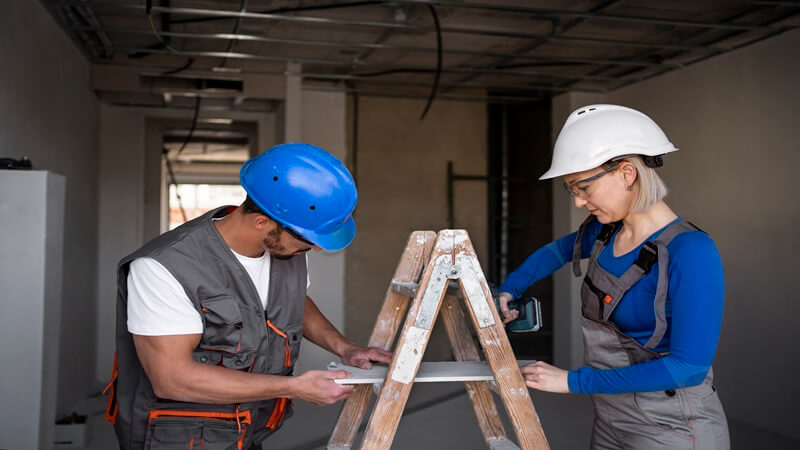
Metal siding has earned a strong reputation for durability, clean aesthetics, and dependable performance across different climates. Homeowners and property managers appreciate how it balances long-term value with minimal upkeep. A well-installed metal exterior can maintain its appearance and structural integrity for decades.
Many property owners ask ‘how long does metal siding last’, when installed by experienced contractors. This question reflects a desire for both reliability and return on investment. Clear expectations about lifespan help guide smart decisions about materials, maintenance, and installation quality.
Average Lifespan of Professionally Installed Metal Siding
Metal siding installed by skilled contractors typically lasts between 40 and 70 years. Steel and aluminum, two popular choices, offer impressive resistance to weather exposure, corrosion, and physical impact. Proper installation ensures panels remain secure, sealed, and aligned, which directly affects longevity.
Contractor expertise plays a crucial role in achieving this lifespan. Precision in fastening, sealing, and spacing prevents moisture intrusion and structural stress. High-quality coatings and finishes further extend durability by protecting the surface from fading and rust.
Key Factors That Influence Longevity
Several elements determine how long metal siding maintains its strength and appearance. Each factor contributes to performance in a distinct way:
- Material Quality
Premium-grade steel or aluminum resists corrosion and physical damage more effectively than lower-grade options. Thicker panels tend to withstand environmental stress better. - Climate Conditions
Coastal areas with salt exposure or regions with heavy rainfall can affect metal surfaces over time. Proper coatings help counter these effects. - Installation Standards
Accurate installation prevents gaps, warping, and loose panels. Professional contractors follow precise techniques that enhance durability. - Protective Finishes
Factory-applied coatings such as galvanized or painted finishes act as a shield against rust and UV damage.
Maintenance Practices That Extend Lifespan
Routine care plays a significant role in preserving metal siding. Simple actions help maintain both functionality and visual appeal. Regular inspections allow early detection of minor issues before they escalate.
Cleaning the surface once or twice a year removes dirt, debris, and pollutants that can wear down protective coatings. Occasional touch-ups on scratched or chipped areas prevent corrosion from spreading. Consistent care ensures the siding performs close to its expected lifespan.
Comparison of Metal Siding With Other Exterior Materials
Metal siding stands out when compared to traditional materials such as wood, vinyl, or fiber cement. Wood requires frequent sealing and remains vulnerable to pests and moisture damage. Vinyl offers affordability but may crack or fade under extreme conditions.
Metal siding provides a balanced combination of strength and low maintenance. It resists fire, insects, and warping, which gives it a longer service life in many environments. The answer to the question ‘how long does metal siding last’ becomes more impressive when compared directly with these alternatives.
Signs That Indicate Replacement or Repair
Even durable materials show signs of wear after many years of service. Recognizing these signs helps maintain structural integrity and visual quality:
- Visible Rust or Corrosion
Small patches may be repairable, while widespread corrosion suggests replacement. - Loose or Warped Panels
Structural shifts or poor fastening can lead to alignment issues that require attention. - Fading or Peeling Coating
Surface deterioration reduces protection and affects appearance. - Water Infiltration Marks
Stains or damp spots indicate compromised sealing or hidden damage.
So, metal siding offers an impressive lifespan when installed with care and expertise. Material quality, climate, and maintenance shape long-term performance. Professional installation remains the strongest factor behind lasting durability.