
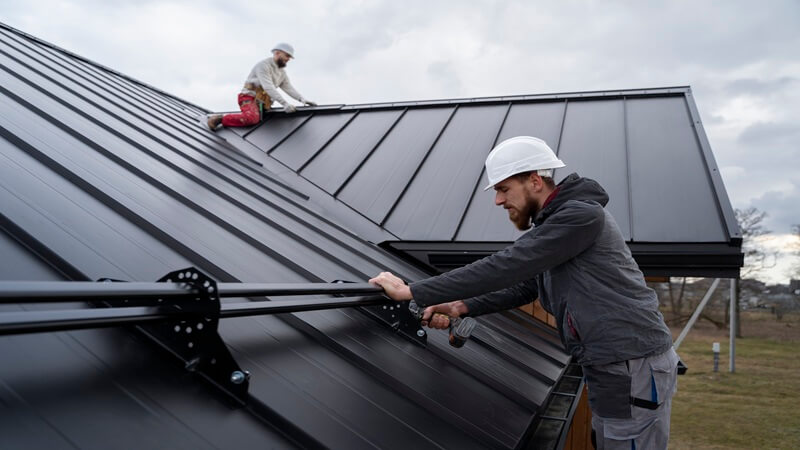
Scheduling roof work involves more than picking a date. A few practical checks can prevent avoidable issues and ensure the service fits the property’s actual condition. Southern California roofs deal with constant sun exposure, shifting temperatures, and occasional storms, so preparation needs to be specific and accurate.
Before confirming any service, it helps to review how a roofing company in Southern California handles inspections, documentation, and project planning. These checks ensure that the service is based on verified roof conditions and not assumptions. A clear process reduces the chances of delays or incomplete work.
Review Licensing, Insurance, And Local Requirements
Roof work must follow state and local construction rules. A licensed contractor shows that the work meets required standards. Insurance coverage protects against liability during the project and ensures that any unexpected incidents are addressed properly.
What To Check Before Scheduling
- Valid contractor license with roofing classification
- Active liability and workers’ compensation insurance
- Knowledge of local permits and inspection requirements
- Written proof of compliance before work begins
Assess Roof Condition Before Finalizing Services
A proper inspection identifies what the roof actually needs. Some issues may look minor, but can involve deeper structural concerns. Scheduling services without a detailed assessment can lead to repeat work or missed repairs.
Key Areas To Evaluate
- Surface condition of shingles, tiles, or membranes
- Signs of water intrusion or trapped moisture
- Strength and stability of the roof deck
- Ventilation and drainage efficiency
Confirm Material Suitability For The Region
Roofing materials should match the local climate. High heat and UV exposure in Southern California can affect durability, so materials must be selected with those conditions in mind. Reviewing specifications helps ensure long-term performance.
Material verification should include lifespan, resistance to weather conditions, and compatibility with the existing roof structure. This step ensures that the selected materials support the intended repair or replacement work.
Clarify Project Scope And Timeline
A defined scope explains exactly what work will be done. This includes preparation, installation, and cleanup. Without this clarity, projects can extend beyond expected timelines or miss key steps.
A reliable roofing company in Southern California provides a structured schedule that outlines each stage of the project. This helps coordinate the work efficiently and keeps expectations aligned from start to finish.
Verify Cost Details And Written Agreements
Clear pricing prevents confusion during and after the project. A written estimate should break down labor, materials, permits, and any additional charges. This allows better planning and avoids unexpected costs. Contracts should also include warranty coverage, payment terms, and service conditions. Having everything documented ensures that both sides follow the agreed terms.
Check Communication And Service Transparency
Good communication supports a smooth roofing process. Contractors should provide direct answers about timelines, materials, and procedures. Clear communication helps avoid misunderstandings and keeps the project on track. Service transparency also includes cleanup responsibilities and post-service guidance. Knowing what to expect after completion helps maintain the roof’s condition over time.
Verifying these factors before scheduling roof services in Southern California helps ensure that the work is planned, accurate, and aligned with the roof’s actual needs. Each step supports better decisions and reduces the chances of avoidable issues during the project.