
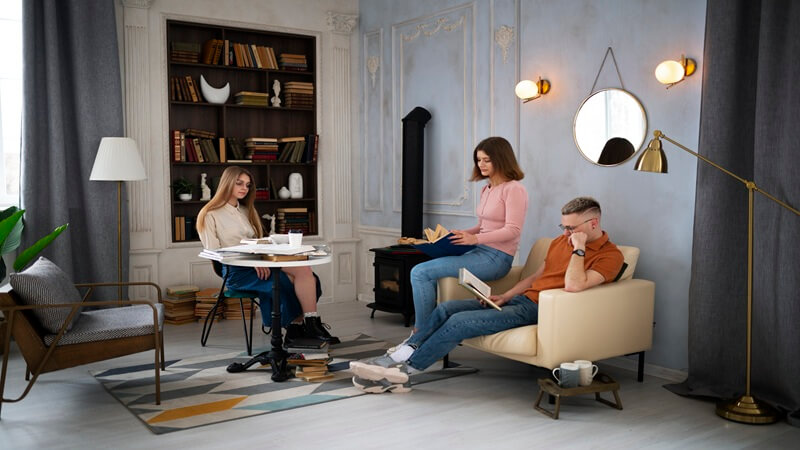
Adapting your space to meet today’s standards is about more than just enhancing style. Homeowners now strive for renovations that enrich both the function and sustainability of their environments. Whether you are planning to renovate your home or simply want to be current with design updates, understanding emerging trends ensures your decisions result in lasting value and modern comfort.
The desire for greener materials, intuitive technology, and multi-purpose layouts has inspired a new generation of renovation ideas. Today’s homes emphasize healthier living, greater efficiency, flexible use, and a seamless connection to nature. Staying informed on these approaches can help you shape a space that reflects cutting-edge comfort and responsible living.
Sustainable and Eco-Friendly Materials
Conscious living has taken center stage in home renovations. Modern homeowners are opting for materials like reclaimed wood, rapidly renewable bamboo, cork flooring, and natural stone. These options minimize environmental impact while promoting internal air quality by avoiding toxic chemicals and unnecessary emissions. Paints and finishes with low or zero volatile organic compounds (VOCs) are now favored for their health advantages. Recycled or upcycled materials also contribute to waste reduction and unique design character.
Builders and architects emphasize that using eco-friendly products does not compromise style or durability. In fact, many of these materials withstand wear better and age more gracefully, providing both aesthetic and practical benefits.
Smart Home Integration
Technology now acts as the backbone of home comfort and efficiency. From app-controlled lighting to automated climate adjustment, the modern home is getting smarter. Voice-activated assistants, security cameras that sync to your phone, and remotely monitored energy usage are now almost expected in renovations. These solutions adapt to daily routines and are increasingly designed to blend seamlessly with a home’s aesthetics. They not only make life more convenient, but can also dramatically lower energy bills over time.
The push toward smart home features is mirrored by the growing trend for homes to support aging in place and remote work. Outlets, thermostats, and even appliances are now designed to offer smart connectivity, giving families greater control, security, and flexibility in their living environments. As explained by sources such as The New York Times Wirecutter, the key is choosing reliable technologies that genuinely improve comfort and conserve resources without needless complexity.
Open-Concept and Flexible Living Spaces
Walls are making way for wide-open interiors that facilitate both socializing and multitasking. Open-concept designs fuse living rooms, kitchens, and dining areas into a unified whole, maximizing both perceived spaciousness and natural light. This approach removes the barriers to interaction, making everyday living more enjoyable and space more versatile.
Alongside open floor plans, multi-use and modular rooms are becoming increasingly popular. With more people working or studying from home, spaces that can quickly transition from a gym to an office or guest suite are highly sought after. Movable walls, convertible furniture, and adaptable storage solutions allow rooms to evolve as a family’s needs change, maximizing the functionality of every square foot.
Maximizing Natural Light and Indoor-Outdoor Connectivity
Today’s designs blur the distinction between inside and out. Installing expansive glass doors or oversized windows not only draws in more daylight, but also visually extends living spaces into patios, decks, or backyards. Skylights bring sunlight into deeper parts of the home, while biophilic elements, such as indoor plants or green walls, foster a direct connection to nature. These features support well-being by increasing mood and productivity, and by helping regulate natural sleeping patterns.
Creating a strong indoor-outdoor connection also improves home value and market appeal. Flexible outdoor kitchens, screened porches, and transitional zones are additions that enhance functionality year-round.
Textured Materials and Natural Finishes
Interiors are moving away from cookie-cutter finishes toward textured surfaces and handcrafted details. Materials like honed stone, rough-cut timber, terrazzo, and artisanal tile infuse spaces with visual and tactile interest. Unlike glossy or highly processed finishes, these natural and touchable materials create inviting, grounded environments that evoke timeless comfort and charm.
Surfaces with grain, grooves, or subtle variations add depth and personality, aligning with the broader trend of creating homes that feel authentic rather than formulaic. These elements are not only beautiful but also help conceal everyday wear and create more resilient, forgiving surfaces in high-traffic zones.
Final Thoughts
Modern home renovations align form with function, focusing on ideas that make living healthier, smarter, and more connected to nature. By choosing sustainable materials, incorporating smart home technologies, designing for flexibility, harnessing natural light, and embracing textured finishes, homeowners can craft spaces that both meet contemporary demands and lay a strong foundation for the future.