
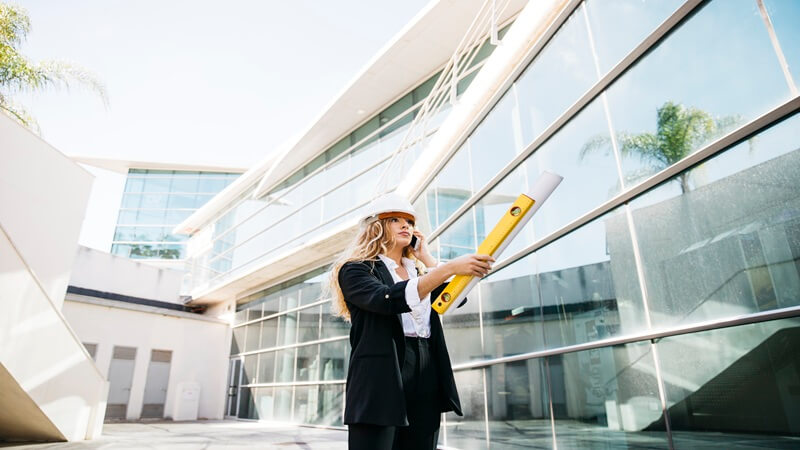
Clear planning and coordination are very important when upgrading an exterior wall system. Commercial properties rely on durable cladding to protect the structure and maintain visual appeal. An organized approach helps reduce delays and control costs. The steps below outline a practical path for a successful upgrade project.
Assess Existing Wall Conditions
A detailed inspection sets the foundation for any exterior upgrade. Commercial cladding systems must be reviewed for panel damage, moisture intrusion, and fastening issues before new materials are selected. This evaluation helps identify structural concerns that may affect installation. Accurate findings support better decisions about scope and budget.
Moisture barriers and insulation layers also deserve close attention. Hidden leaks or trapped water can weaken framing and reduce thermal performance. Core samples and surface checks provide insight into wall integrity. Clear documentation of current conditions creates a useful reference for the project team.
Define Project Goals and Material Options
Clear objectives guide material selection and design choices. Some projects focus on energy performance, while others aim to refresh appearance. Budget limits, building use, and local code requirements all influence direction. A written outline of goals keeps the upgrade aligned with property needs.
Key Factors to Review Before Selection
Material evaluation should consider performance and appearance together:
- Panel durability under local weather conditions
- Compatibility with insulation and air barriers
- Maintenance expectations over time
- Visual impact on the building exterior
Each factor helps narrow options without guesswork. Careful comparison aids in balancing function and cost.
Develop a Detailed Project Plan
A structured plan supports steady progress from start to finish. Timelines should account for material lead times and site preparation. Clear coordination among contractors, engineers, and property managers reduces confusion. Defined responsibilities limit the risk of oversight.
Site logistics also play an important role in commercial settings. Access points, safety zones, and equipment storage require careful thought. Communication with tenants or occupants helps prevent disruption. Advance planning may help improve efficiency during installation.
Remove Old Materials and Prepare the Surface
Existing panels and fasteners must be removed with care to avoid structural damage. During this stage, crews inspect framing and sheathing for hidden issues. Any compromised sections require repair before new panels are secured. A solid substrate supports long-term performance.
Surface preparation also includes the installation of updated moisture and air barriers. These layers protect interior spaces from drafts and water intrusion. Proper alignment and sealing improve thermal efficiency. Attention to detail during preparation sets the stage for reliable results.
Install New Cladding and Conduct Final Review
New panels are secured according to manufacturer guidelines and design plans. Proper fastening patterns and joint spacing ensure structural stability. Sealants and flashing are applied to prevent moisture entry. Consistent workmanship helps maintain a uniform exterior finish.
Final inspections confirm that the installation meets project standards. Quality checks focus on panel alignment, secure attachments, and weather protection. Documentation of completed work provides a record for future reference. Regular maintenance plans should be followed to preserve performance.
Upgrading commercial cladding systems requires more than surface replacement. Careful assessment, clear planning, and precise installation all contribute to a durable result. When each step receives proper attention, the exterior envelope supports energy efficiency and structural protection. A thoughtful process helps commercial properties maintain strength and visual appeal for years ahead.